A flame on a showing is not a test
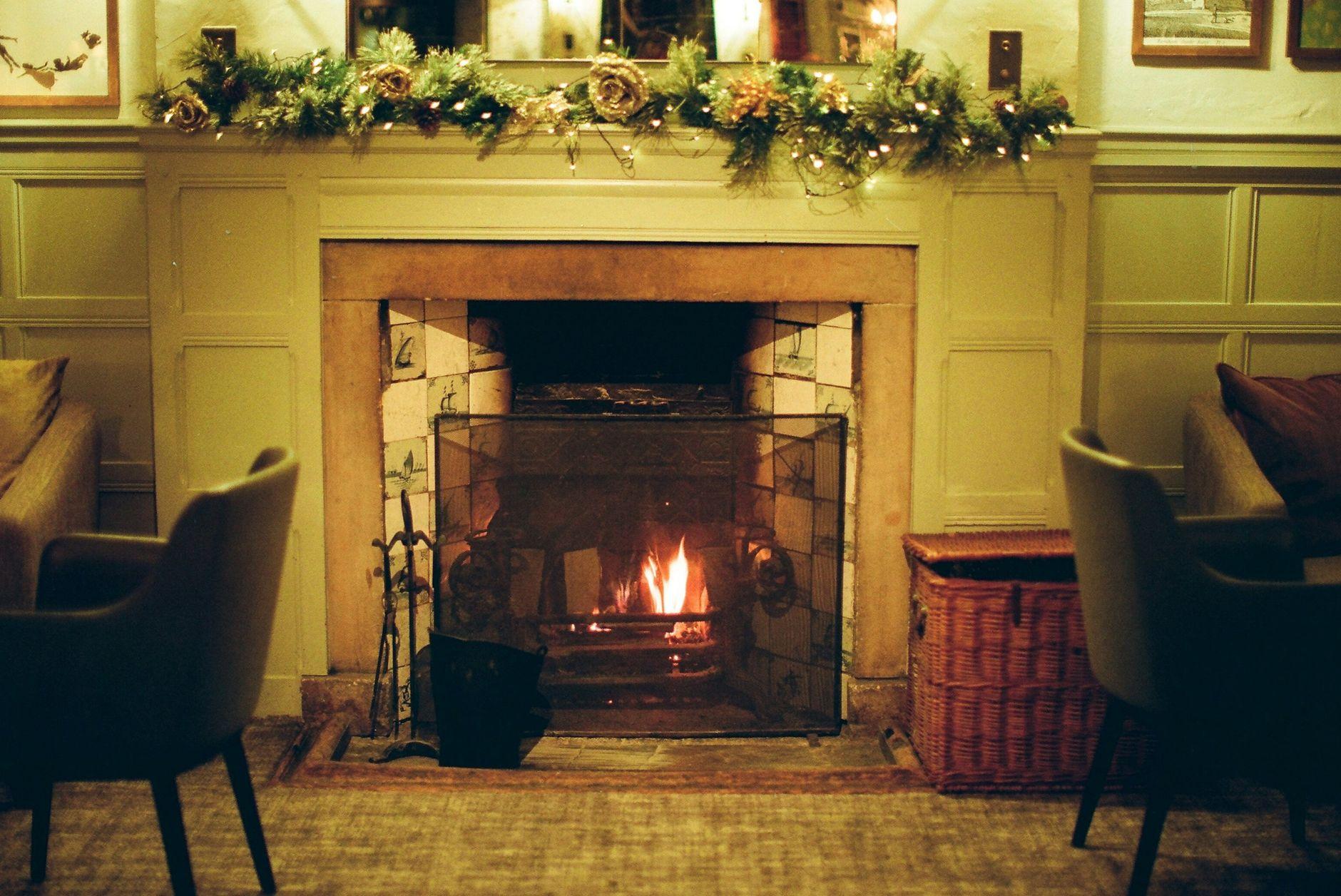
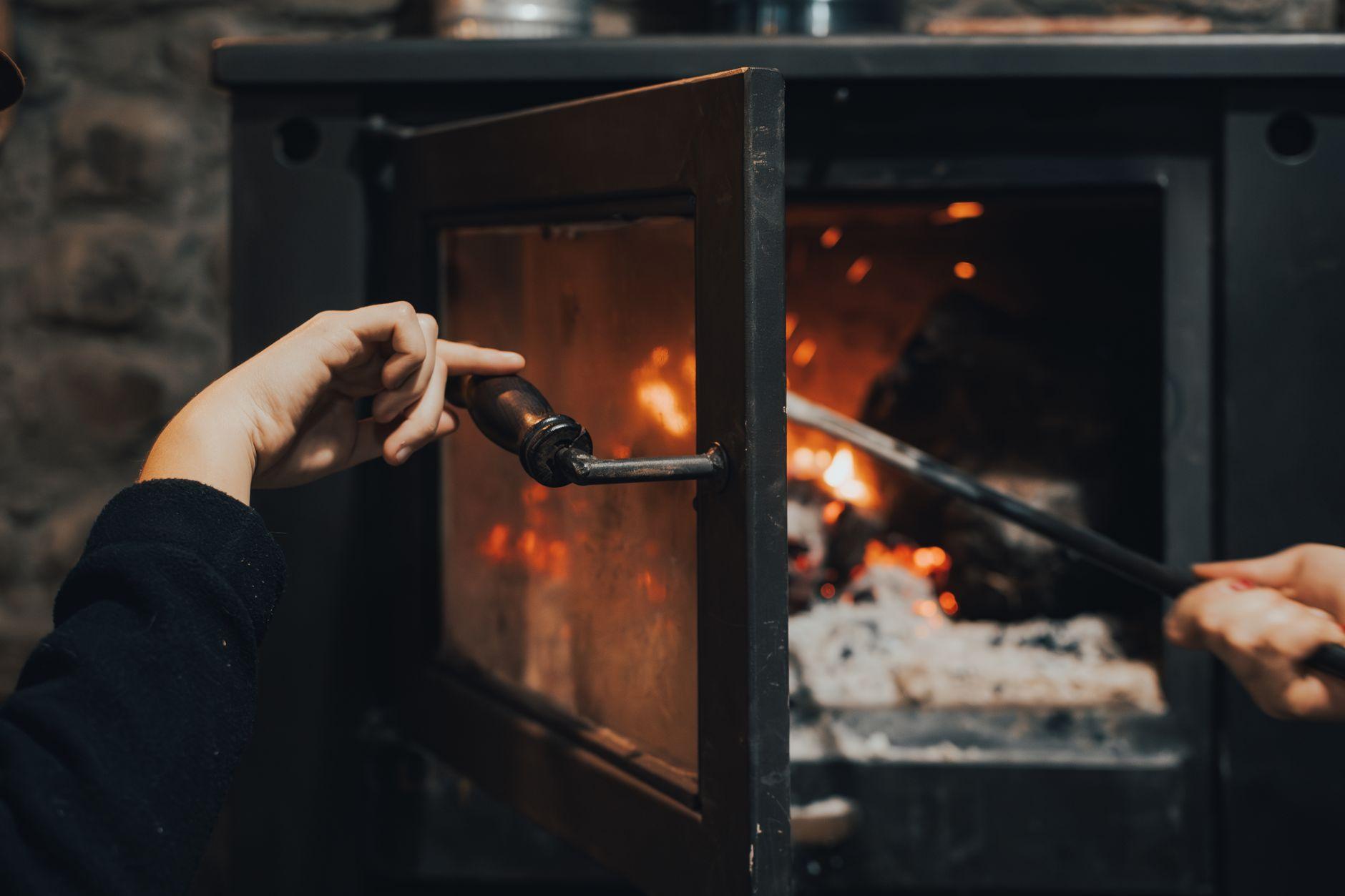
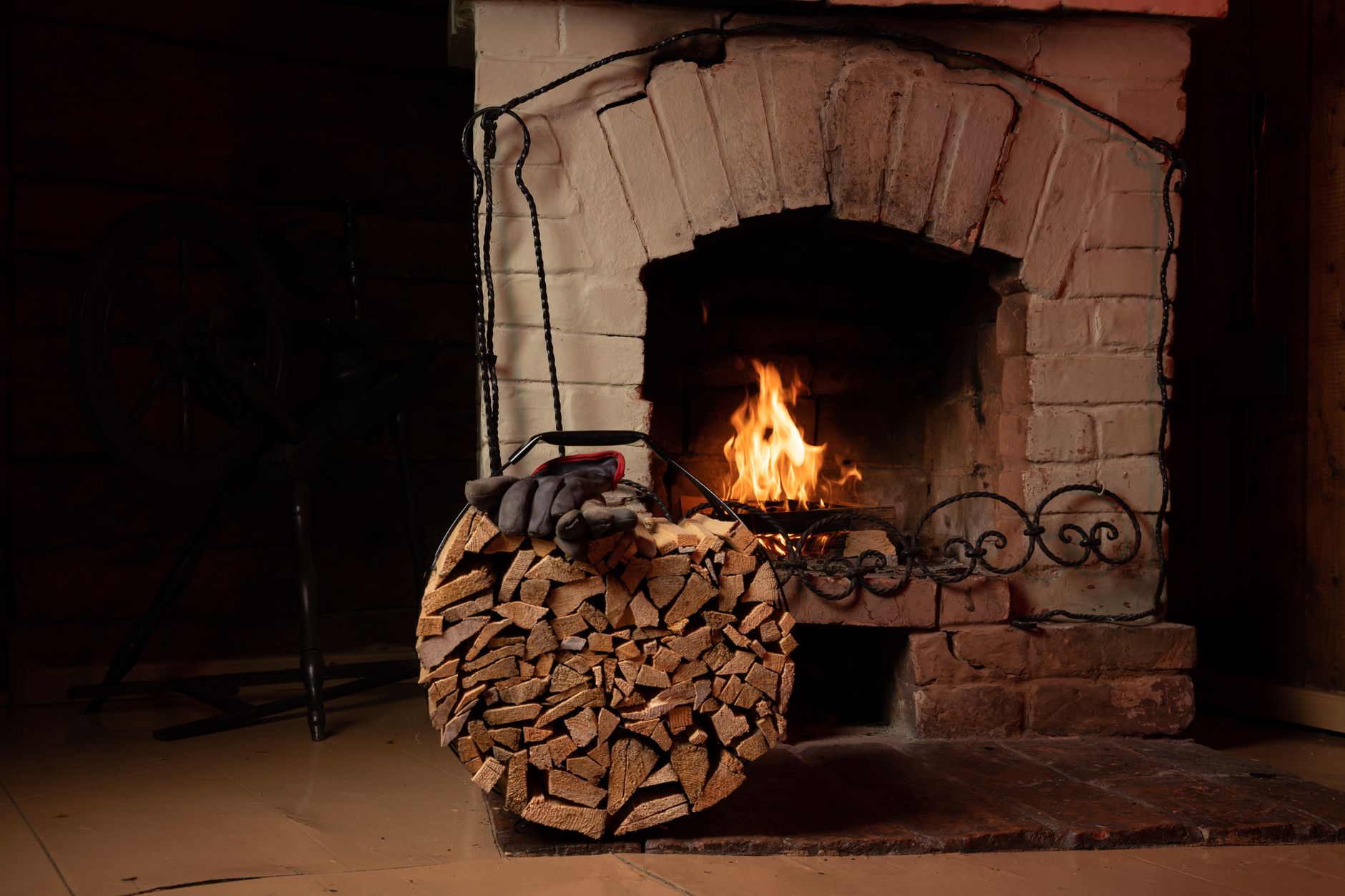
At the open house, the agent flips a switch and the fire comes on. That proves one thing: gas reaches the burner and the valve opens. It does not show whether the vent is connected, whether the glass seal is tight, whether the pilot sensor is failing, or what is going on inside the flue above it.
The general home inspector has a whole house to cover, from the electrical panel to the sprinklers, and the hearth usually gets a line or two in that report. Often the line ends by suggesting a specialist take a look. That is where Bluff Chimney Pros comes in for buyers in San Gabriel and the nearby cities.
Which level fits a purchase
The fire protection standard the chimney trade works to, NFPA 211, ranks inspections by depth. When a house is changing hands, the standard steers toward its second tier, the one with the camera. The reason is plain: as a buyer you have no history for the fireplace, and the part most likely to hide trouble is the part nobody can see from the room.
- Our Level 2 for a sale is $375 per fireplace.
- A Level 1 condition check is $53, and suits an owner who already knows the fireplace's history.
More on how the deeper visit runs is on our Level 2 inspection page.
What we look at on a gas hearth
The data plate. A metal tag inside the unit or behind the lower grille names the maker and model and the venting it was approved for. We check that what is installed matches it.
The gas connection. The shutoff, the flexible connector and every fitting we can reach get a leak test with an electronic detector. Old uncoated brass connectors are written up wherever we find them.
Pilot, sensor and valve. We light it, read the sensor voltage and note how the pilot flame sits. A sensor running weak is a small part now and a cold fireplace next winter.
Burner, logs and ember bed. Logs out of position, cracked logs or a burner showing rust all go on the report. Rust on a burner is worth a second look, because it usually means water is reaching the box from above, and the vent or chimney top is where we go next to find out how.
Glass and seal. On sealed units we check the panel for chips and cracks and the frame seal for gaps.
The vent, end to end. In a brick chimney, the camera follows the flue tile or the insert's pipes to the top. For a wall or roof vented unit, we look at the pipe where we can reach it, in the attic where it climbs, and at the outside end, checking its distance from windows and doors.
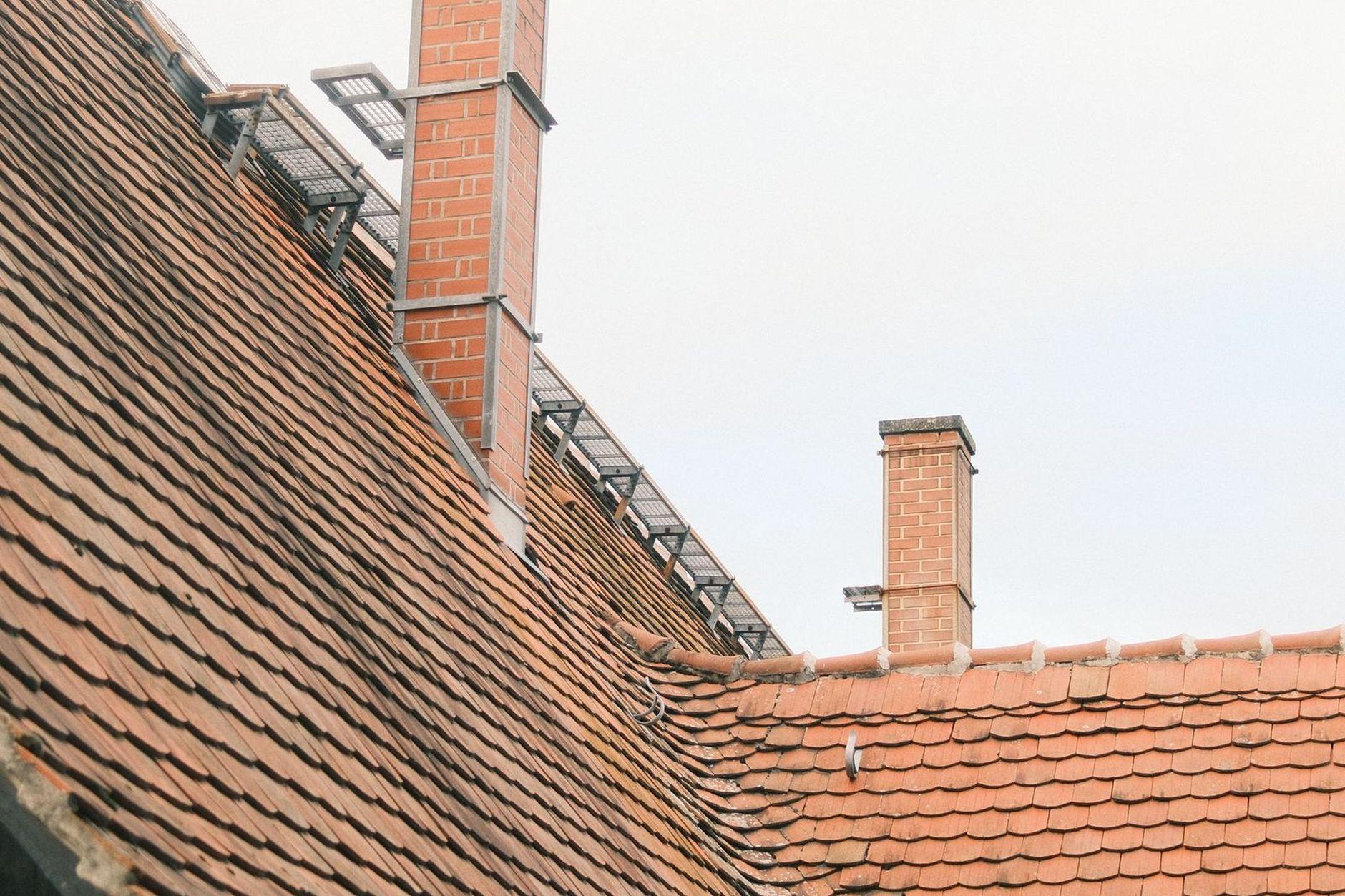
The outside of the chimney. Crown, cap, flashing and the brick above the roof.
Air quality with it burning. We let the unit run and measure carbon monoxide near the opening and in the room. State law calls for CO alarms in any home with a fuel burning appliance, and we note whether we saw one near the hearth room.
What the report gives you
Each finding gets a numbered photo, a location and a plain verdict:
- safe to use as is;
- usable now, with a part wearing that should be replaced soon;
- do not light until repaired.
Where a repair has a figure on our list, the report prints it next to the finding. Stopping a chimney leak runs $540 to $3,250 depending on its source. A cap is quoted after we measure; size and metal set its price. Gas parts and vent repairs are listed by name with the work they need, ready for us or anyone else to price.
The person who books is the client and decides who else gets the report: the agent, the seller, a lender. Our home sale inspection page walks through a sample report page by page.
What decides the next step
If everything comes back safe to use, you are done, and the report goes in your purchase file. If something is marked to watch, you can raise it as a credit or plan it for later. If something is marked do not light, that becomes a repair request before closing or a price conversation, and the report gives both sides the same facts.
Book a pre-purchase gas hearth inspection. Tell us the property address, whether the fireplace has a glass front, and the name of anyone who should get a copy besides you.
Access and timing in escrow
Most vacant listings have the gas on but the pilot off. Ask your agent to confirm the gas is on at the meter and that we can get into the house and onto the roof or into the attic. If a pilot has been turned off, we relight it as part of the visit. If the gas is off at the meter, we can still inspect the vent and flue but cannot test the burner, and the report will say so.
Agents booking on behalf of a client can find how we set up access and file the report on our page for real estate agents.
Next step
To book a Level 2 on a house you are buying in San Gabriel, Rosemead or nearby, head to the contact page and name the address and the people who should see the results.
Pilot, Igniter or Flame Giving Trouble?
Bluff Chimney Pros shuts the gas, opens the panel and puts a meter on the system before naming a part, then writes the price down for you. Vans leave from San Gabriel for Rosemead, Maywood, Los Angeles and the cities around them.